

Shatter vs Live Resin vs Hash: Key Differences Explained
How shatter, live resin and hash are made, how they differ in texture, flavour and price, how to use each one, and which to pick first.
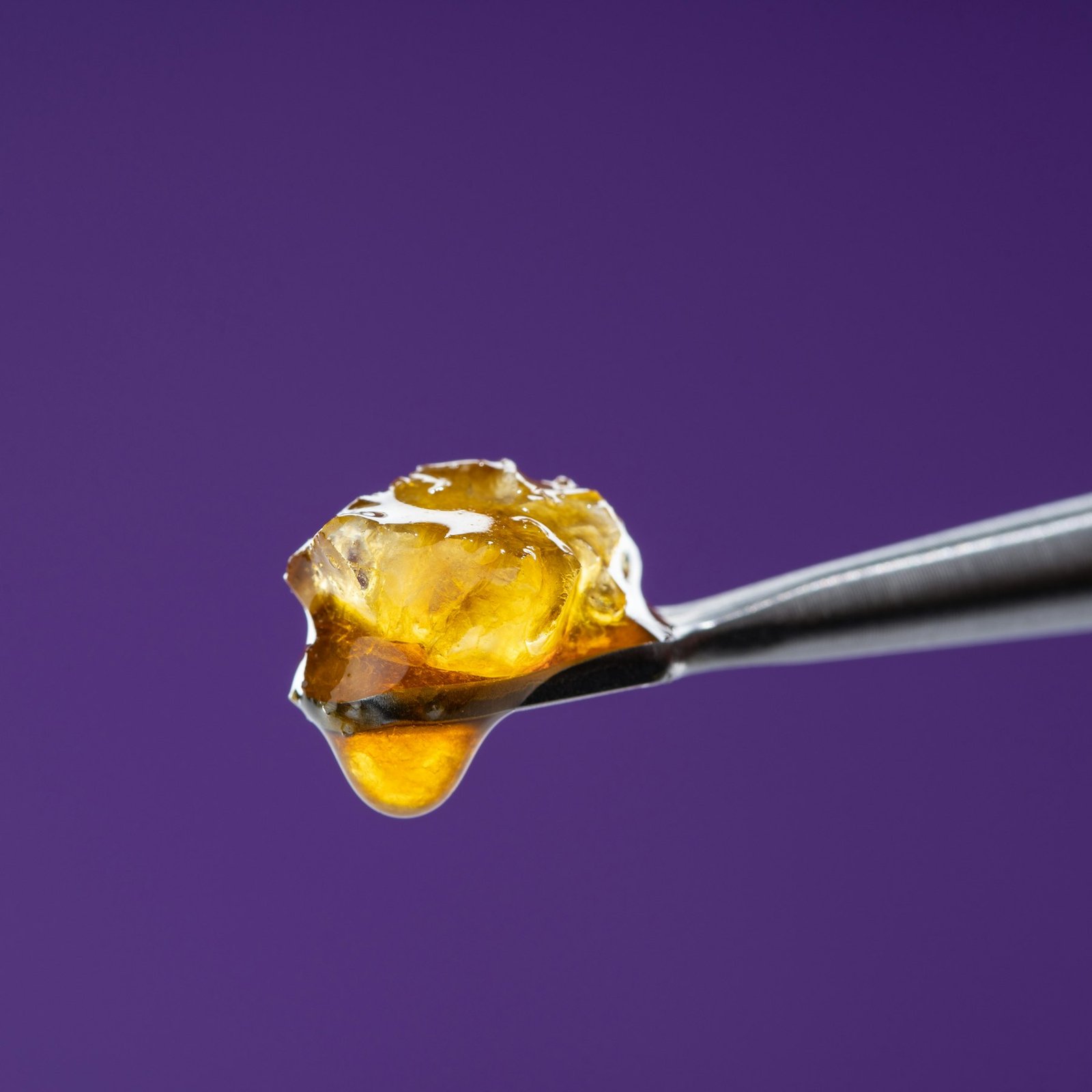
Shatter vs live resin vs hash: all three are cannabis concentrates, but they’re made differently. Shatter and live resin are usually extracted with a solvent such as butane: shatter comes from dried, cured plants and sets hard like glass, while live resin comes from fresh-frozen plants and stays soft and sticky with more aroma. Hash is the traditional, solventless option, made by collecting and pressing the plant’s trichomes.
Key takeaways
- Shatter: glassy, stable and easy to handle; made from dried plant material.
- Live resin: saucy or sticky; made from fresh-frozen plants to keep more terpenes, so it’s usually the most flavourful and the priciest.
- Hash: made without solvents by sifting or ice-water washing trichomes; easy to add to a joint or bowl.
- All concentrates are much stronger than flower. Start with a very small amount.
Shatter vs live resin vs hash: the quick comparison
| Shatter | Live resin | Hash | |
|---|---|---|---|
| Starting material | Dried, cured plants | Fresh plants frozen at harvest | Dried or fresh plants |
| Method | Solvent extraction (usually butane), then purged | Solvent extraction (usually butane or propane), then purged | Solventless: dry sifting, ice water or hand rubbing, then pressed |
| Texture | Hard, glass-like, snaps | Soft, sticky, saucy or buttery | Soft to firm block or crumble |
| Flavour | Clean, milder | Strongest, closest to the live plant | Earthy, spicy, classic |
| Ways to use | Dab rig, dab pen, on top of a bowl or joint | Dab rig, dab pen, on top of a bowl or joint | Crumbled in a joint or pipe, bowl, hot knives |
| Handling | Easiest to portion when cold | Needs a dab tool | Easy to crumble or roll |
| Price | Usually the most affordable | Usually the highest | Varies with grade and origin |
What is shatter?
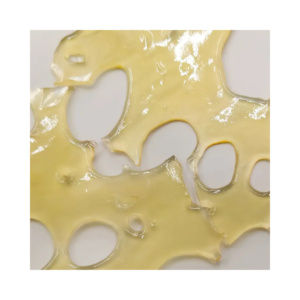
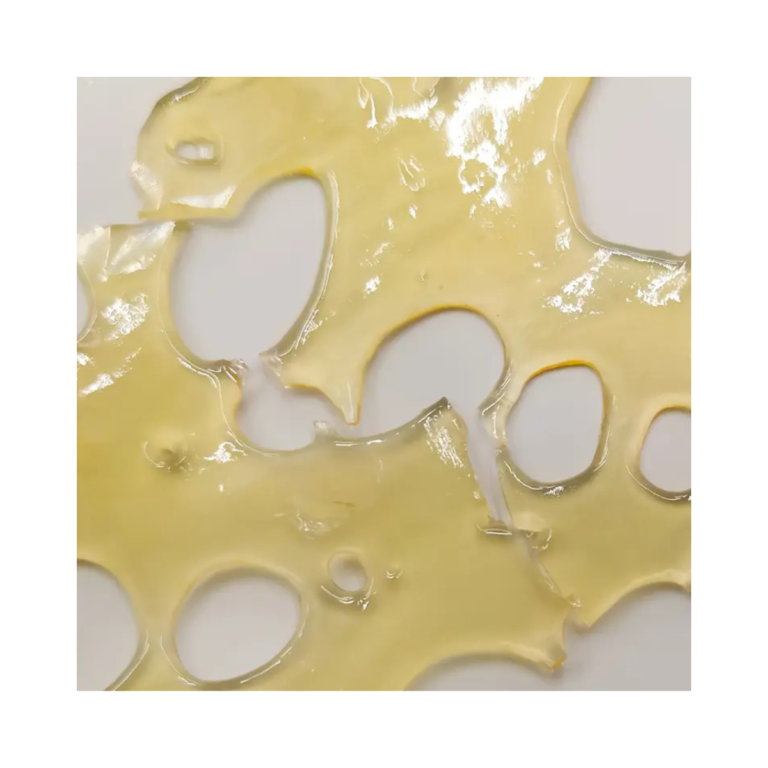
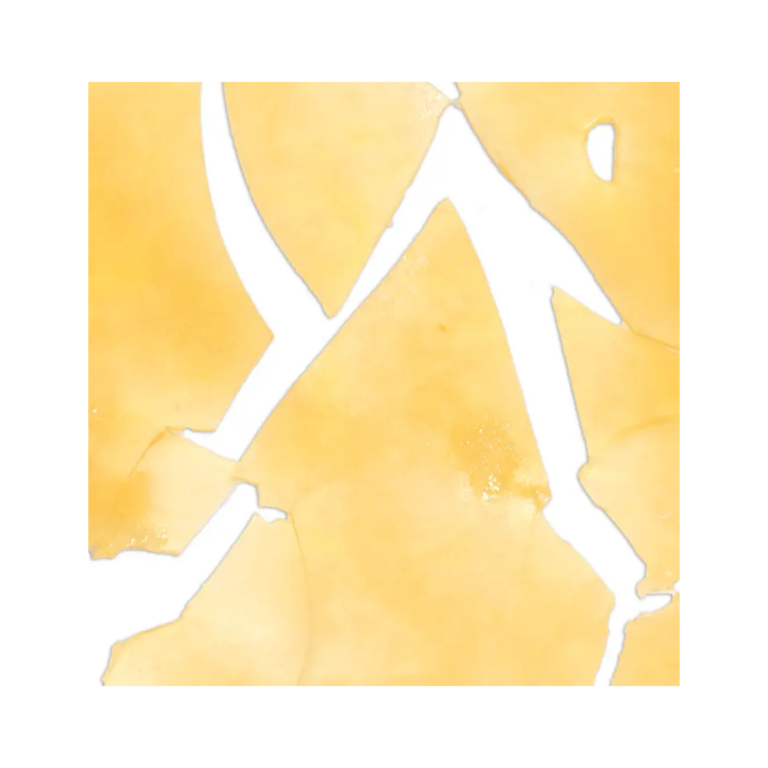
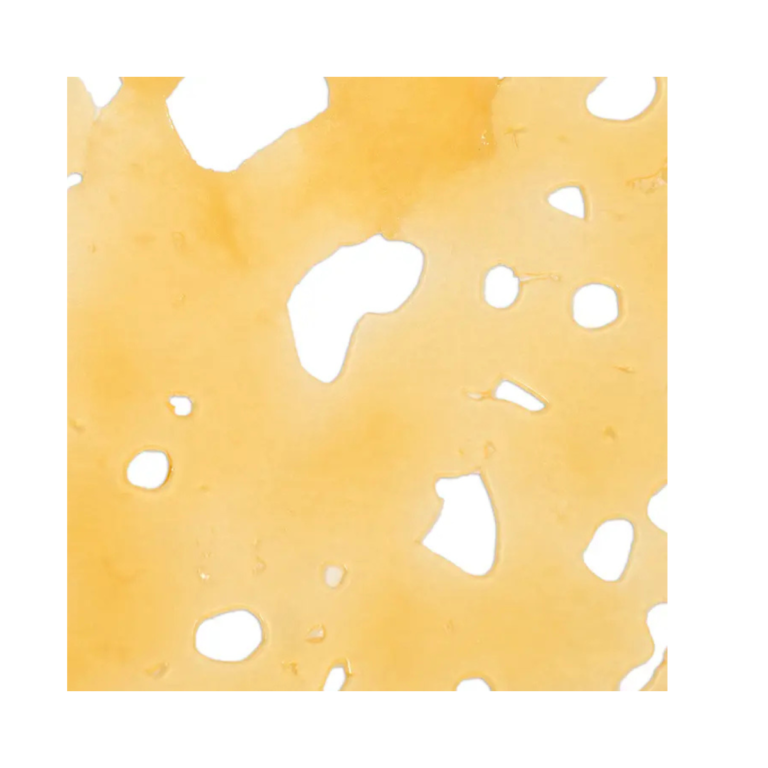
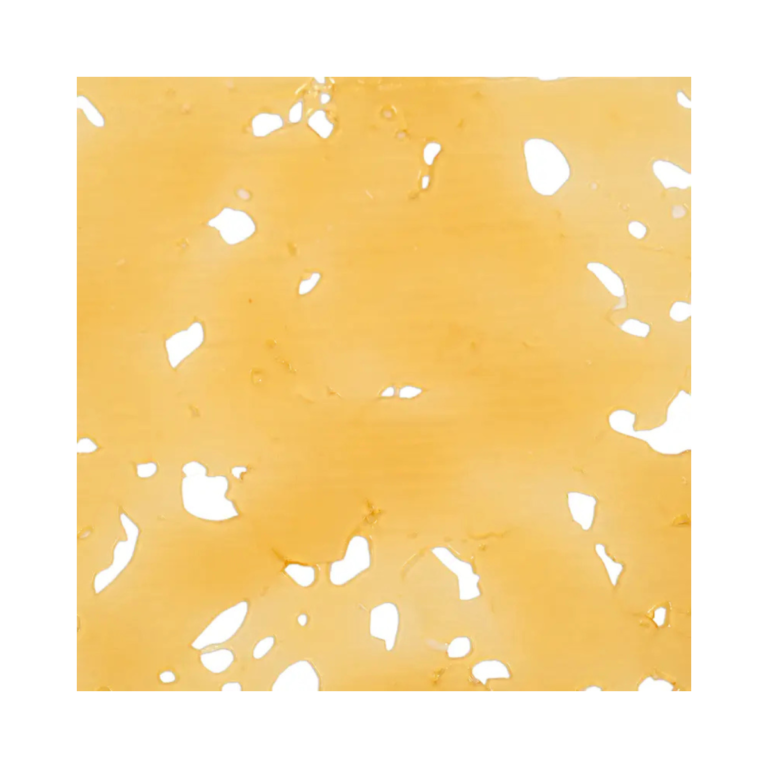
Shatter is a concentrate made by passing a solvent, most often butane, through dried and cured cannabis. The solvent pulls the cannabinoids and terpenes out of the plant. It’s then removed (“purged”) with heat and vacuum, leaving a thin amber sheet that hardens like candy glass. That’s why it’s sometimes called BHO, short for butane hash oil.
The glassy texture is a sign that the extract is stable and hasn’t been whipped or agitated. It’s easy to store and to break into small pieces, which makes shatter a popular first concentrate.
Shatter can “sugar up” or turn cloudy over time, especially in heat. That doesn’t mean it’s gone bad, only that it’s starting to crystallise. Keeping it cool slows this down.
What is live resin?
Live resin is also usually a hydrocarbon extract, but it starts with fresh plants that are frozen right after harvest instead of being dried and cured. Freezing preserves many of the aromatic compounds (terpenes) that are lost during drying.

The result is softer and stickier than shatter, often called sauce, sugar or badder depending on its texture. Most people choose live resin for flavour: it tastes and smells closest to the living plant. Freezing whole harvests and processing them quickly costs more, which is why live resin is usually priced above shatter.
Live resin is not the same as live rosin. Rosin is made with only heat and pressure, no solvent, and it’s usually priced higher still.
What is hash?
Hash (hashish) is the oldest concentrate. It’s made by separating the resin glands (trichomes) from the plant and pressing them together. There are three classic methods:
- Dry sift: dried plants are shaken over fine screens and the trichomes that fall through are collected.
- Ice water or “bubble” hash: plants are stirred in ice water so the frozen trichomes snap off, then filtered through mesh bags.
- Hand-rubbed or charas: resin is rubbed off living plants by hand.
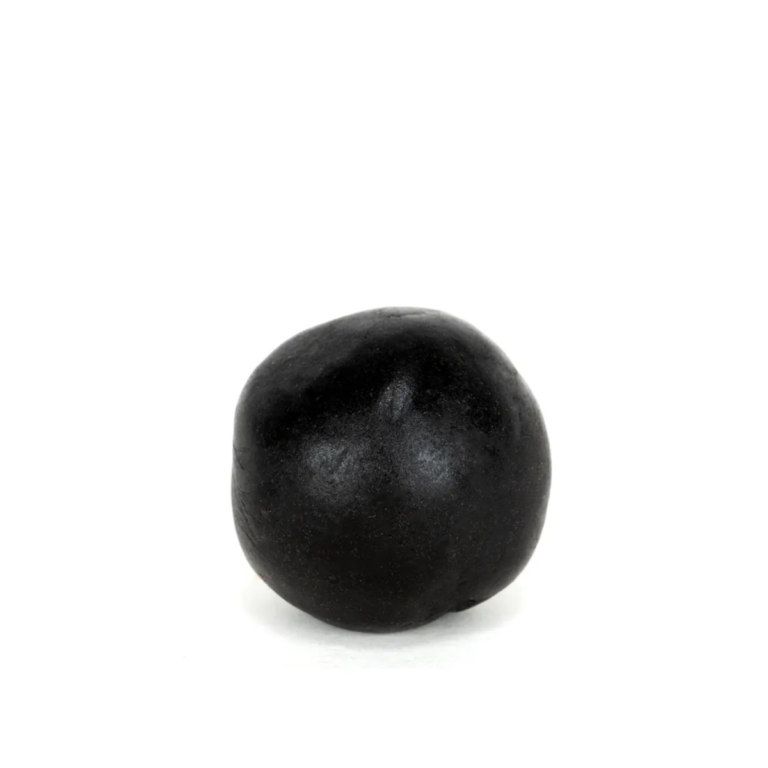
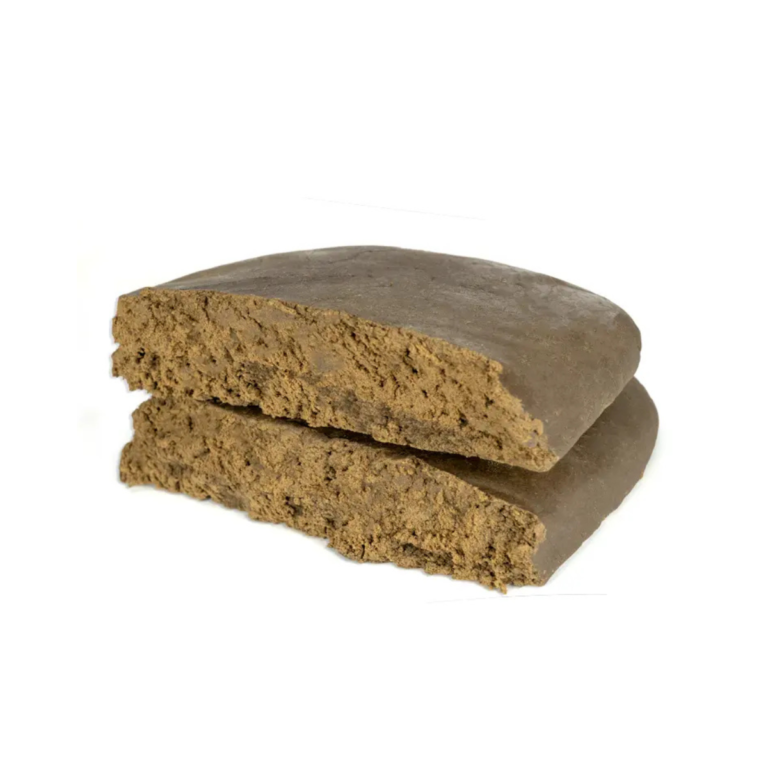
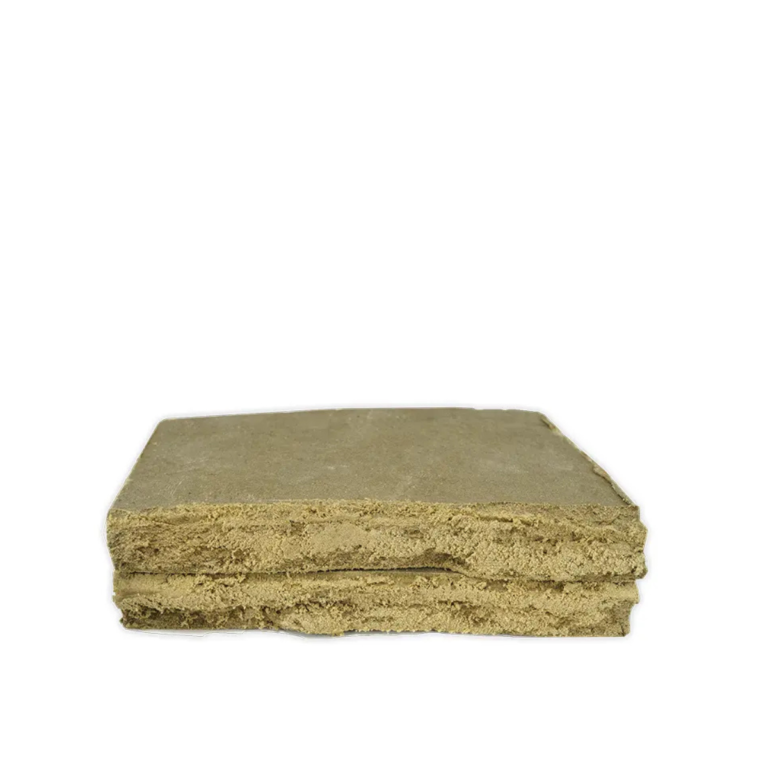
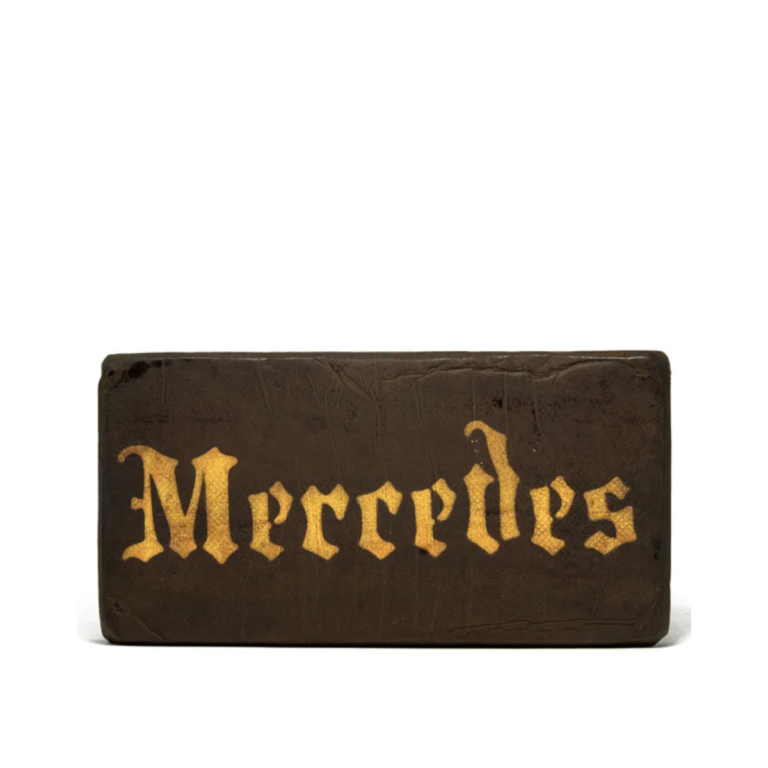
The collected resin is then pressed into a block. Hash ranges from light blonde to dark brown or black, depending on the method, the plant and how it’s pressed. Because no solvent is involved, many people like hash as a “cleaner” traditional option.
Which concentrate is strongest?
All three are far more concentrated than dried flower, so even a small amount has a big effect. Solvent extracts like shatter and live resin are generally more potent than most hash, but potency varies from batch to batch. Always check the product details and start smaller than you think you need.
Under Canada’s cannabis rules, 1 gram of dried cannabis counts as 0.25 grams of concentrate. That gives you a feel for how much stronger concentrates are, gram for gram.
How to use shatter, live resin and hash
Dab rig or e-rig
The classic way to use shatter and live resin. A small amount is placed on a heated surface (the nail or banger) and inhaled as vapour. Lower temperatures give more flavour and a smoother hit; very hot dabs taste burnt.
Dab pen
A portable, battery-powered device with a small heated chamber. It’s the simplest option if you don’t want a full rig.
On top of a bowl or joint
Many people add a small piece of shatter, live resin or hash to flower in a bowl or roll it into a joint. Hash is the easiest here: warm it slightly and it crumbles. Shatter and live resin work better as a thin “snake” laid on the bud.
Pipe or hot knives (hash)
Hash can be smoked in a pipe on its own or on a screen. Hot knives, two heated blades pressed onto a small piece, are an old-school method.
Safety first. Never try to make solvent extracts at home. Butane extraction can cause explosions and fires, and it should only be done in a professional lab.
Which one should you choose?
- New to concentrates? Start with shatter. It’s easy to portion and usually the best value.
- Flavour first? Choose live resin.
- Prefer solventless, or want to add something to a joint? Go for hash.
- Can’t decide? A Mix & Match bundle lets you pick several concentrates in one order.
How to store concentrates
- Keep them in an airtight silicone or glass container, away from light and heat.
- A cool, dark drawer works for daily use. The fridge helps for longer storage; let the container warm to room temperature before opening so moisture doesn’t form.
- Shatter is easiest to break when slightly cold; live resin is easier to scoop at room temperature.
- Store all cannabis locked away from children and pets.
Browse all concentrates at 420Express, with same-day delivery in Metro Vancouver. New to cannabis grades? Read AAAA vs AAA weed.
Frequently asked questions
Is live resin better than shatter?
Live resin usually has more flavour and aroma because it’s made from fresh-frozen plants. Shatter is cheaper and easier to handle. “Better” depends on whether you care most about taste or value.
Is live resin made with solvents?
Usually, yes. Most live resin is a hydrocarbon extract, like shatter, and the solvent is purged afterwards. The solventless version made with heat and pressure is called live rosin.
Can you smoke shatter in a joint?
Yes. Stretch a small piece into a thin line and lay it on the flower before rolling, or put a tiny piece on top of a bowl. Use much less than you would of flower.
Is hash stronger than shatter?
Generally no. Solvent extracts like shatter are usually more concentrated than hash, though high-grade hash can be very strong. Check each product and start small.
Why is my shatter turning cloudy or sugary?
That’s crystallisation, often caused by heat or handling. It’s still usable. Store shatter cool and in an airtight container to slow it down.
Ready to shop? Browse at 420Express — same-day delivery in Metro Vancouver, free on orders over $99, plus 10% off your first order. Shop now
19+ only. This guide is general information for adults of legal age in Canada, not medical advice. Start low, go slow, and never drive high.