

Dry Herb Vaporizer vs Joint: Which Should a Beginner Try?
Burn it or heat it? A plain comparison of joints and dry herb vaporizers: how they work, cost, taste, smell and which suits a beginner.
Dry herb vaporizer vs joint is one of the first choices a new flower buyer runs into: do you burn your bud the classic way, or heat it gently in a device? Both use the same dried cannabis flower, but they feel different to use, cost different amounts up front, and suit different situations. This guide walks through how each one works, what the experience is actually like, what you’ll spend, and which one tends to make more sense for a beginner. It’s written for adults 19+ who want a plain, honest comparison before they pick a method.
Key takeaways
- A joint burns flower. A dry herb vaporizer heats it below the point of burning, so it releases vapour instead of smoke.
- Joints cost almost nothing to start and need no charging. Vaporizers cost more up front but let you stretch a small amount of flower over several short sessions.
- Vapour usually smells lighter and fades faster than smoke, which many people find easier around a home or condo.
- Vaporizers can feel milder per puff, so beginners sometimes take too many. Start low, go slow either way.
- Pre-rolls are the simplest way to try a joint without learning to roll. A basic vaporizer is the simplest way to try heat without combustion.
How a joint works
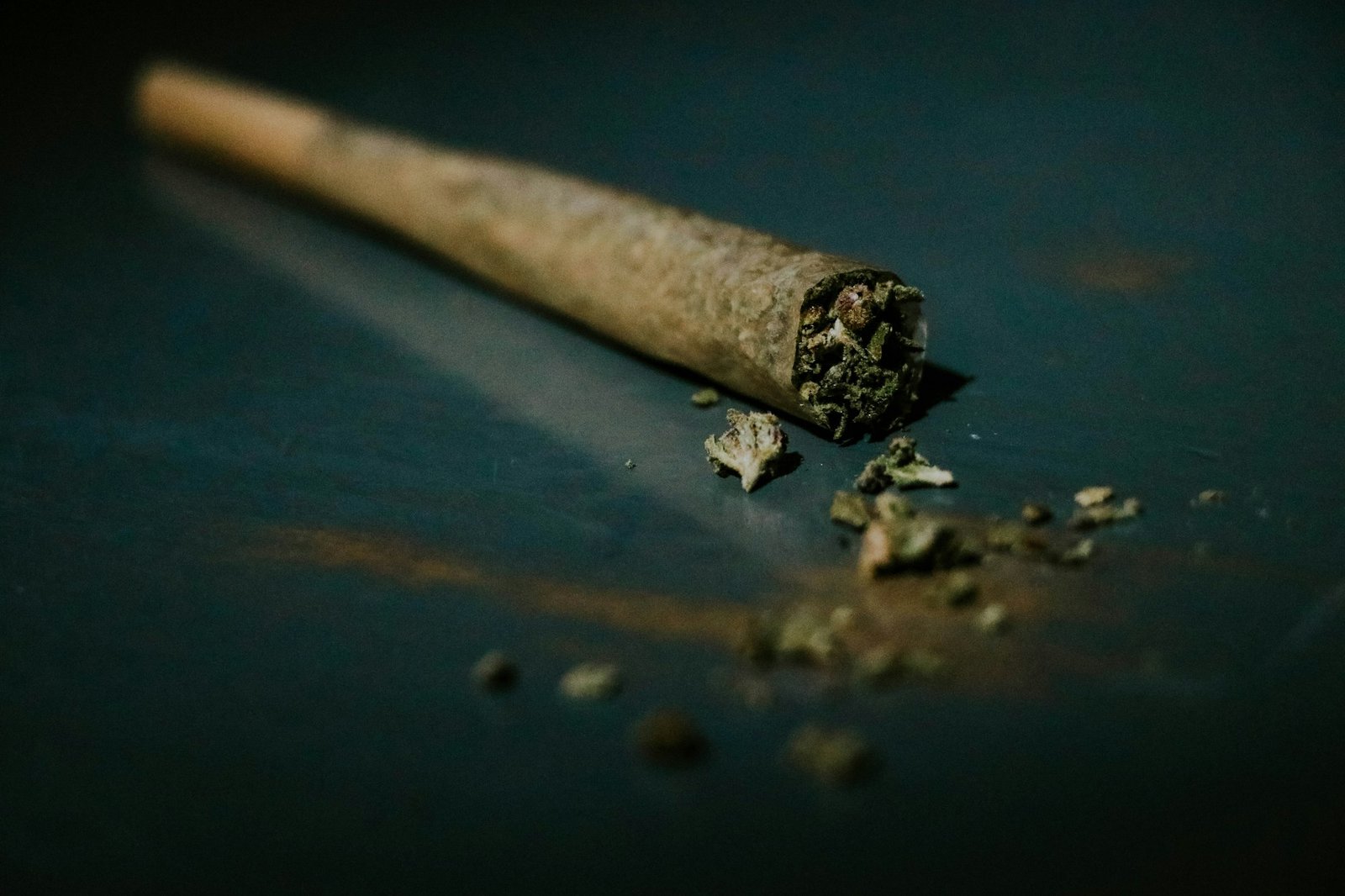
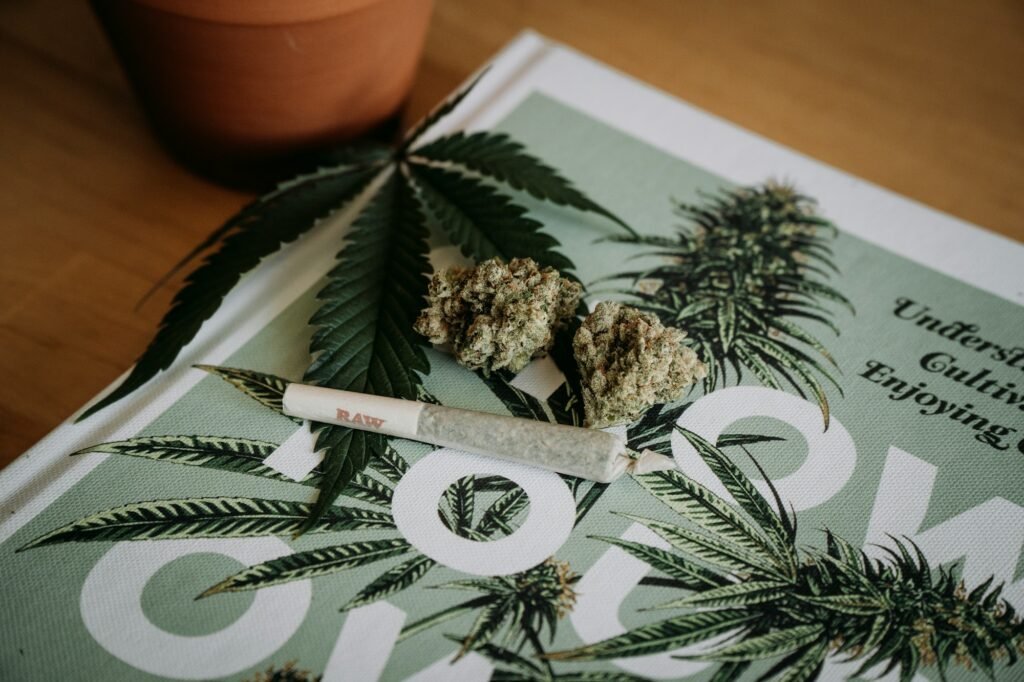
A joint is ground cannabis flower rolled in thin paper, often with a small cardboard filter or “crutch” at one end. When you light the tip, the flower combusts. The burning releases the plant’s cannabinoids and terpenes into the smoke, which you draw through the unlit end.
It’s the oldest and most familiar way to use flower, and that’s a big part of its appeal. There’s nothing to charge, nothing to clean and nothing to break. All you need is flower, papers and a lighter. If rolling isn’t your thing, a pre-roll comes ready to light.
The trade-off is that once a joint is lit, it keeps burning between puffs. Some of the flower is lost to the air as sidestream smoke, and if you only want a little, you’ll often end up relighting a half-finished joint later, which can taste harsh and stale.
How a dry herb vaporizer works
A dry herb vaporizer is a small device, usually battery-powered, with a chamber (often called the oven) that you pack with ground flower. Instead of setting the flower on fire, it heats it to a set temperature that’s hot enough to turn the active compounds into vapour but not hot enough to make the plant burn.
There are two main heating styles:
- Conduction: the chamber walls get hot and warm the flower that touches them, a bit like a pan on a stove. These units heat up fast and are usually simpler and cheaper, but you may need to stir the bowl halfway through.
- Convection: hot air is pulled through the flower as you inhale, more like an oven fan. These tend to heat the bowl more evenly, but they can cost more and take a little more technique.
Most portable models have either a few preset heat levels or a dial for exact temperature. Lower settings tend to give lighter, more flavourful vapour. Higher settings give thicker clouds and use up the bowl faster.
Note that a dry herb vaporizer is different from a vape pen that uses a pre-filled oil cartridge. Those run on extracted oil, not flower. If that’s what you’re looking at, our guide to 510 cartridges covers them.
Dry herb vaporizer vs joint: side by side
Here’s how the two compare on the things beginners ask about most.
| Joint | Dry herb vaporizer | |
|---|---|---|
| What happens to the flower | Burns (combustion) | Heated without burning |
| Start-up cost | Very low: papers, filters, lighter | Higher: the device itself, plus a grinder |
| Flower per session | Usually a whole joint once it’s lit | A small bowl; easy to stop after a few puffs |
| Taste | Toasty and smoky, plus the paper | Cleaner and more herbal; terpene flavour stands out |
| Smell | Strong, lingers on clothes and rooms | Lighter and fades faster, though not scent-free |
| Learning curve | Rolling takes practice; pre-rolls skip it | Learning to grind, pack and pick a heat setting |
| Upkeep | None | Charging and regular cleaning of the chamber and screens |
| Leftovers | Ash | Brown “already vaped” flower |
No way of inhaling cannabis is risk-free, and neither method should be thought of as a “safe” option. The comparison above is about experience, cost and convenience, not health.
What each one feels like to use
People often report that a joint hits quickly and builds fast, and that the smoke feels heavier on the throat. Because it’s burning the whole time, a shared joint can go quicker than expected, which makes it easy to end up having more than you planned.
Vapour from a dry herb vaporizer usually feels cooler and thinner. Many first-time users describe it as less dramatic per puff, and some keep pulling because they assume it “isn’t working”. That’s the most common beginner mistake with vaporizers. Take one or two draws, put the device down and wait at least 10 to 15 minutes before deciding whether you want more.
Flavour is where vaporizers tend to shine. Without smoke and paper in the way, you taste more of the strain itself: citrus, pine, gas, berry or earth. If you’ve bought a flavourful top-shelf jar, vaporizing is a good way to notice what sets it apart. Our AAAA vs AAA guide explains how grades are judged.
Tip: If you vape, don’t throw out the brown leftover flower right away. Some people save already-vaped bud in a jar for cooking projects. It has a toasted flavour, so it works best in strongly flavoured recipes.
Cost: cheap to start vs cheaper per session
A joint wins on start-up cost. A pack of papers and a lighter cost a few dollars, and a pre-roll costs nothing extra at all. If you only use cannabis now and then, that’s hard to beat.
A dry herb vaporizer costs more up front, and a decent portable unit is a real purchase. Where it can pay back is in how far your flower goes. Because you can pack a small bowl and stop when you’ve had enough, a gram often lasts several short sessions instead of disappearing into one lit joint. For regular users, that difference can add up over a few months.
There’s also a hidden cost to think about: your time. A vaporizer needs charging, a grinder, and a quick brush-out every few sessions. A joint is grab-and-go.
How to try each method for the first time
Whichever way you go, the first session should be small, at home, with no plans to drive or go anywhere afterwards.
Trying a joint
- Start with a pre-roll or a small joint. Half-gram pre-rolls are easier to pace than a big, fat cone.
- Light it evenly. Rotate the tip in the flame until it glows all the way around, so it doesn’t “canoe” and burn down one side.
- Take one or two gentle puffs. No need to hold the smoke in. Holding it longer doesn’t make much difference to how you feel.
- Put it out and wait. Gently snuff the tip in an ashtray. You can relight it later if you want more.
Trying a dry herb vaporizer
- Charge it fully and read the manual. Every model is a little different, especially the buttons.
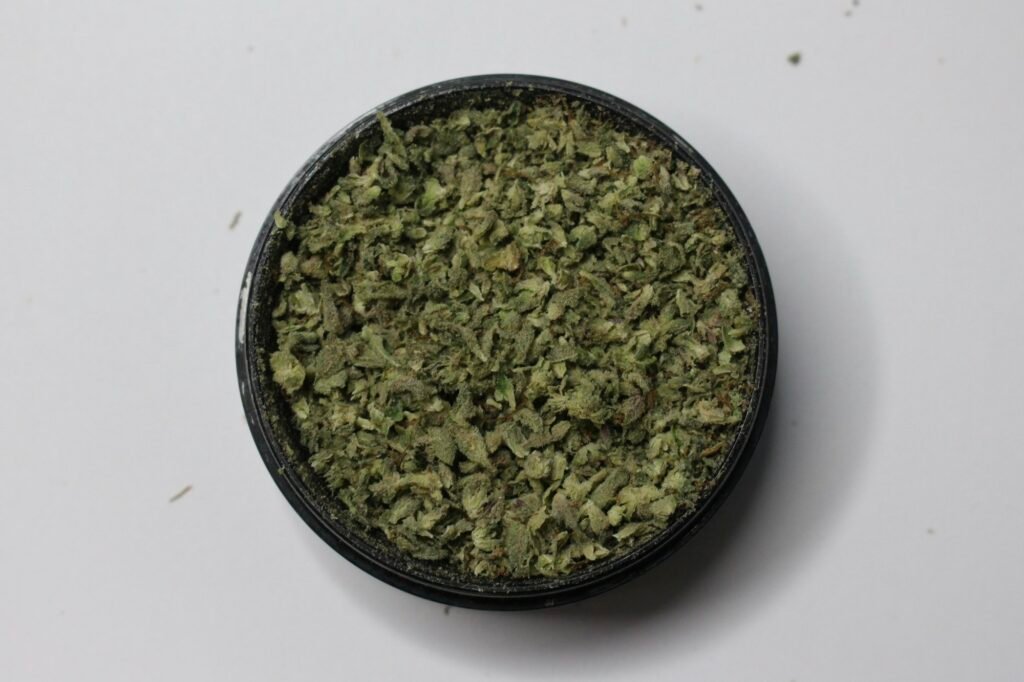
- Grind to a medium-fine texture. Too coarse and it heats unevenly; too fine and it can clog the screen.
- Pack lightly. Fill the chamber without crushing the flower down hard, unless your model’s manual says otherwise.
- Start on the lowest heat setting. It gives the lightest vapour and the best flavour, and it’s the easiest to pace.
- Take slow, steady draws, then stop and wait. One or two draws is plenty for a first try. Turn the device off between sessions.
So which should a beginner try?
There isn’t one right answer, but here’s a simple way to decide.
- Choose a joint or pre-roll if you use cannabis only occasionally, don’t want to buy gear, or want the simplest possible first try.
- Choose a dry herb vaporizer if you plan to use flower regularly, care about tasting the strain, want a lighter smell at home, or like the idea of taking just a couple of puffs and saving the rest.
- Try both if you’re not sure. Many people start with a pre-roll, then pick up a vaporizer once they know they enjoy flower.
Whichever you choose, the fundamentals are the same: buy from a source you trust, keep your flower stored properly (see how to store weed so it stays fresh), start low, go slow, and never drive high.
Ready to try it? Grab a ready-to-light pre-roll or pick a jar from our flower menu to roll or vaporize. 420Express offers same-day delivery across Metro Vancouver for adults 19+.
Frequently asked questions
Can I use the same flower in a joint and a dry herb vaporizer?
Yes. Both use regular dried cannabis flower. The only difference is the grind: a vaporizer generally works best with a medium-fine, even grind, while joints are more forgiving.
Does a dry herb vaporizer smell less than a joint?
Usually, yes. Vapour tends to have a lighter smell that fades faster than smoke. It isn’t odourless, though, and the flower itself still smells when you open the jar and grind it.
Is a dry herb vaporizer the same as a vape pen?
No. A dry herb vaporizer heats ground flower. A typical vape pen heats cannabis oil from a pre-filled cartridge. They’re different devices that use different products.
Why does my vaporizer not seem to do anything?
Vapour feels lighter than smoke, so it can seem weak at first. Check that the chamber is packed and the device has reached temperature, then take a slow draw and wait 10 to 15 minutes before taking more.
What do I do with already-vaped flower?
Many people simply throw it out. Others save it in a sealed jar for cooking, since it has already been heated. It has a toasted taste, so it suits strongly flavoured recipes.
Is it legal to smoke or vape in public in BC?
Rules depend on where you are. Smoking and vaping cannabis are banned in many public places in BC and in vehicles, and local bylaws can add more limits. Check the rules for your area before using anywhere outside your home.
19+ only. This guide is general information for adults of legal age in Canada, not medical advice. Start low, go slow, and never drive high.